 By Nibav on June 19, 2025
When you’re considering installing a home elevator or residential lift in your luxury villa, one of the most important decisions you’ll face is choosing the right type of glass for your elevator cabin.
While traditional glass has been the standard for decades, revolutionary polycarbonate technology is changing the game with glass that’s an astounding 250 times stronger than regular glass.
Let’s explore why this breakthrough matters for your home elevator investment and how it can transform both safety and aesthetics in your residential space.
What Makes Polycarbonate Glass 250 Times Stronger?
The secret lies in the molecular structure of polycarbonate materials. Unlike traditional glass, which is brittle and prone to shattering, polycarbonate glass is engineered at the molecular level to absorb and distribute impact energy.
This advanced material contains long polymer chains that create flexibility while maintaining crystal-clear transparency.
When we say it’s 250 times stronger, we’re talking about impact resistance. Traditional glass breaks under relatively low impact forces, creating dangerous shards that can cause serious injuries.
Polycarbonate glass, on the other hand, can withstand impacts that would completely destroy regular glass, making it an ideal choice for residential elevators where safety is paramount.
Why Home Elevator Safety Matters More Than Ever?
Your home lift isn’t just a convenience feature – it’s a long-term investment in your family’s safety and mobility.
Whether you’re installing a compact elevator to help aging family members avoid stairs or adding a luxury elevator to enhance your home’s value, the glass technology you choose will impact daily use for decades to come.
Consider the unique challenges that residential lifts face compared to commercial elevators.
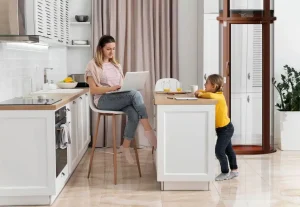
Home elevators often operate in tighter spaces, may be used by children or elderly family members, and don’t have the same professional maintenance schedules as commercial systems. This makes durability and safety features even more critical.
The Revolutionary Benefits of Polycarbonate Technology
Unmatched Impact Resistance
The most obvious advantage of polycarbonate glass is its incredible durability. While regular glass can shatter from a simple bump or impact, polycarbonate glass can withstand significant force without breaking.
This is particularly important in compact lifts where space is limited and accidental contact with the glass is more likely.
Enhanced Security Features
Beyond basic durability, polycarbonate glass offers security benefits that regular glass simply cannot match. The same properties that make it impact-resistant also make it extremely difficult to break through intentionally.
For luxury elevators in high-value homes, this added security layer provides peace of mind.
Superior Optical Clarity
One concern many homeowners have about alternative glass technologies is clarity.
Will it look as good as traditional glass? Modern polycarbonate glass maintains exceptional optical clarity while providing superior strength.
Your residential elevator will look just as elegant and sophisticated as one with traditional glass, but with dramatically improved safety characteristics.
Weather and Temperature Resistance
Home elevators often operate in varying environmental conditions, especially if they connect different levels of a home with varying climates.
Polycarbonate glass maintains its integrity across a wide temperature range and won’t become brittle in cold conditions like traditional glass can.
Cost-Benefit Analysis: Investment vs. Long-Term Value
While polycarbonate glass technology does represent a higher upfront investment compared to regular glass, the long-term benefits often justify the cost. Consider these factors when evaluating your options:
Reduced Replacement Costs: Traditional glass in home lifts may need replacement due to cracks, chips, or breaks over time.
Polycarbonate glass virtually eliminates these concerns, saving money on repairs and replacements.
Insurance Benefits: Many insurance companies recognize the safety benefits of advanced safety features in residential elevators.
Installing polycarbonate glass may qualify you for reduced premiums or better coverage terms.
Increased Home Value: Luxury elevators with advanced safety features, including high-strength glass, can significantly increase your home’s resale value.
Potential buyers often prioritize safety features, especially in homes designed for aging in place.
Installation Considerations for Different Home Types
Compact Elevators and Space Optimization
If you’re installing a compact lift in a smaller home, the durability of polycarbonate glass becomes even more important.
In tight spaces, the likelihood of accidental contact increases, making the impact resistance of advanced glass technology essential for daily safety.
Luxury Villas and Aesthetic Integration
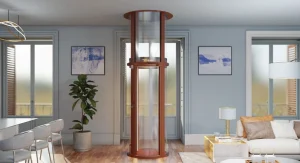
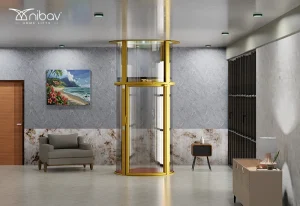
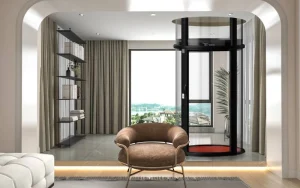
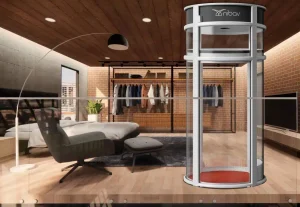
For luxury elevators in high-end homes, polycarbonate glass offers the perfect combination of safety and sophistication.
The material can be customized with various finishes and treatments to match your home’s aesthetic while providing uncompromising safety.
Multi-Story Residential Applications
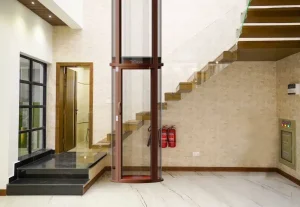
In homes with multiple levels connected by residential lifts, polycarbonate glass provides consistent safety performance across all floors.
Whether your elevator travels two stories or five, the glass maintains its protective properties throughout the entire range of operation.
Maintenance and Longevity Advantages
One of the often-overlooked benefits of polycarbonate glass is its low maintenance requirements. Traditional glass requires careful cleaning to avoid scratches and chips, and even minor damage can compromise the entire panel’s integrity.
Polycarbonate glass is much more forgiving, maintaining its appearance and safety properties even with regular use and cleaning.
The longevity factor is particularly important for residential elevators, which may not receive the same level of professional maintenance as commercial systems.
Polycarbonate glass continues to perform reliably for decades, making it an excellent choice for homeowners who want to “install once and forget about it.”
Making the Right Choice for Your Home
When selecting glass technology for your home elevator, consider your specific needs and circumstances.
If you have young children, elderly family members, or simply want the peace of mind that comes with advanced safety features, polycarbonate glass technology offers compelling advantages.
The 250x strength improvement isn’t just a marketing claim – it’s a real-world safety enhancement that can prevent injuries and reduce long-term costs.
Whether you’re getting rid of stairs for accessibility reasons or adding a luxury elevator for convenience, the glass you choose will impact your daily experience for years to come.
Conclusion
The choice between traditional glass and polycarbonate technology for your home elevator ultimately comes down to prioritizing safety, longevity, and value.
With 250 times the strength of regular glass, polycarbonate technology represents a significant advancement in residential elevator safety that’s worth considering for any home lift installation.
Whether you’re planning a compact elevator for accessibility or a luxury lift for convenience, investing in advanced glass technology ensures your residential elevator will provide safe, reliable service for decades to come.
The combination of unmatched durability, maintained aesthetics, and long-term cost savings makes polycarbonate glass an intelligent choice for discerning homeowners who refuse to compromise on safety.
FAQs About Bullet Proof Home Elevators
- Does polycarbonate glass look different from regular glass?
Modern polycarbonate glass maintains excellent optical clarity and looks virtually identical to traditional glass while providing superior strength and safety.
2. Is polycarbonate glass worth the extra cost for residential elevators?
Yes, the long-term benefits including reduced replacement costs, enhanced safety, and potential insurance savings often justify the initial investment.
3. Can polycarbonate glass be customized for luxury home elevators? Absolutely. Polycarbonate glass can be treated with various finishes and customizations to match your home’s aesthetic requirements.
4. How long does polycarbonate glass last in home lifts?
Polycarbonate glass typically lasts decades with minimal maintenance, significantly outlasting traditional glass in residential elevator applications.
5. Is special cleaning required for polycarbonate glass?
No, polycarbonate glass can be cleaned with standard glass cleaners and is actually more resistant to scratching than traditional glass.